2026-11-02 · Robert Ellis
What Arlington Homeowners Should Know About Storm-Related Flooding
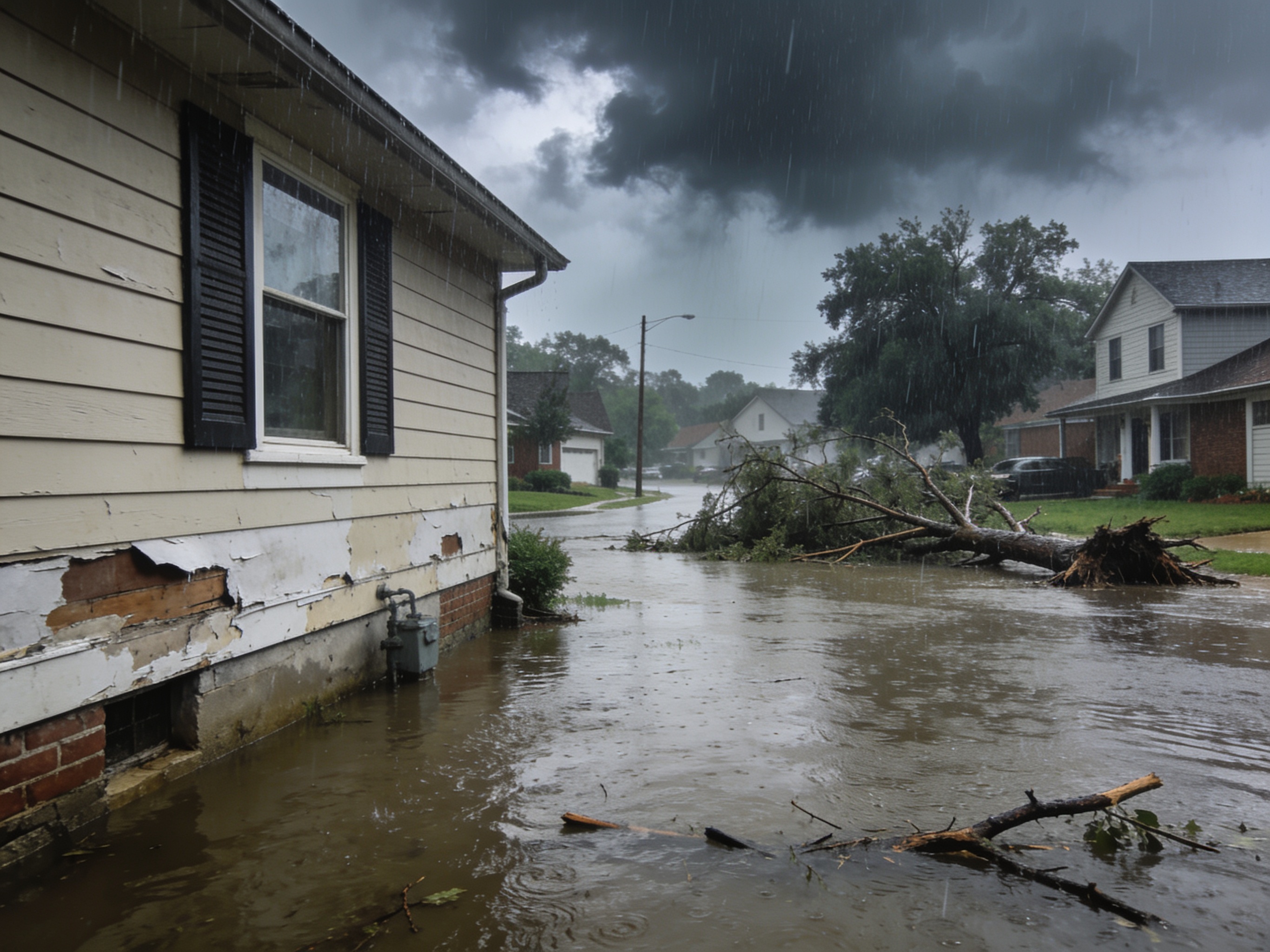
Arlington sees storm flooding most often when humid subtropical rains dump several inches in a few hours, especially during spring and fall systems that stall over Tarrant County. Homes built before 1980 in North Arlington and East Arlington frequently experience water entering through low foundation points because original grading no longer matches current street elevations near Globe Life Field.
How Local Weather Patterns Drive Flooding
Arlington’s humid subtropical climate produces intense summer thunderstorms and occasional winter systems that drop 3–6 inches of rain in one event. These downpours overwhelm storm drains along Arkansas Lane and in South Arlington where older 1960s ranch homes sit on flat lots with minimal slope. Water pools against brick foundations for hours, seeping through mortar joints and into crawl spaces. Nearby Fort Worth and Grand Prairie experience the same frontal systems, yet Arlington’s mix of commercial development around Six Flags Over Texas and residential streets creates more runoff than rural sections of the county. Homeowners notice water first in garages and utility rooms because those areas often lack French drains added in later subdivisions.
Neighborhood-Specific Risks Around Key Landmarks
Downtown Arlington and areas within a mile of AT&T Stadium face added pressure from large parking lots that shed water quickly during evening storms. North Arlington properties near the University of Texas at Arlington campus often have mature trees whose roots crack older clay sewer lines, allowing storm water to back up into basements. South Arlington and East Arlington streets built on former farmland retain more clay soil that expands when saturated, pushing moisture through slab edges. Grand Prairie and Mansfield residents share the same Trinity River watershed influences, but Arlington’s higher density of post-1970 homes means more properties rely on original gutters that now handle increased runoff from neighboring commercial roofs.
Practical Steps Homeowners Can Take During and After Storms
When forecasts show heavy rain, clear gutters and downspouts the day before, then check that exterior soil slopes away from the foundation by at least 6 inches over 10 feet. Inside, move valuables off concrete floors in finished basements common in East Arlington. After water enters, shut off electricity to affected rooms and document everything with photos before any cleanup begins. Avoid using household fans on wet carpet because they can spread mold spores through HVAC systems typical in 1980s Arlington homes. For lingering moisture under slabs or in wall cavities, professional extraction and drying remain necessary because DIY dehumidifiers rarely reach below 50 percent relative humidity in Tarrant County’s summer air.
Long-Term Prevention That Matches Arlington Conditions
Re-grading the yard and adding 4-inch French drains tied to the street curb helps many 1970s homes in North Arlington stay dry. Installing battery backup sump pumps protects against power loss during the frequent evening storms that hit the area. Replacing original cast-iron sewer lines with PVC reduces backups when heavy rains combine with tree-root intrusion near the University of Texas at Arlington. Homeowners in South Arlington also benefit from sealing expansion joints in driveways and patios to limit surface water entry points. These steps address the specific soil movement and drainage challenges created by the region’s mild winters followed by sudden spring deluges.
Knowing When to Contact Local Restoration Help
If water reaches electrical outlets or remains visible 48 hours after rain stops, contact a restoration team familiar with Arlington’s housing stock. Water Damage Restoration crews understand how to dry both slab-on-grade and pier-and-beam homes found throughout Tarrant County. Water Damage Repair often follows once structural members are assessed for rot. Readers who want cost ranges for these projects can review Typical Costs for Water Damage Restoration in Arlington TX. Those dealing with freeze-related pipe bursts alongside storm flooding may also find How to Handle Burst Pipes After Rare Arlington Freezes useful. Arlington Water Damage operates from 1216 W Arkansas Ln Ste A, Arlington, TX 76013 with hours Monday–Friday 8am–6pm and Saturday 9am–2pm.